// Blaise Pascal and the Future of Public Transport
As readers of this newsletter will know, transportation in the largest cities around the world is in a sorry state. The citizens of Lagos, Jakarta, Sao Paulo and Rome spend too many of their waking hours in cars, barely crawling, or not moving at all. (The average speed of traffic in Manhattan has dropped to 7.6 kilometers [4.7 miles] per hour.) Urbanization means the equivalent of a city with the population of New York is now added to the planet every two months.
Cities are all about increasing human opportunity by reducing the space between humans, as well as their businesses, homes, schools, and cultural institutions. Yet cars and trucks—and there are 1.47 billion of them on earth now—require vast amounts of that precious space. The simple truth is they barely fit into today’s cities, let alone into the megacities of the future.
Many people imagine that the solution to our transport woes will come from the bleeding edge of tech research. A magnetic levitation train, perhaps, like the one the Japanese have been working on at a test track in Yamanashi, which reached a top speed of 603 kilometers an hour (375 mph) in 2015. Or maybe it will be a transit network organized around driverless cars, along the lines of the Waymo robo-taxis of San Francisco, but on a much larger scale. Or salvation could come from a combination of Elon Musk’s hyperloop, a kind of vacuum-tube train for intercity travel, or his Convention Center Loop, in which lines of Teslas run under the Las Vegas Strip in 2.7 kilometers (1.7 miles) of specially-built tunnels.
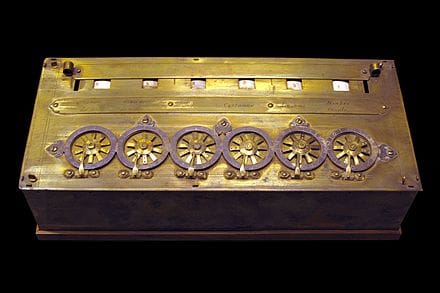
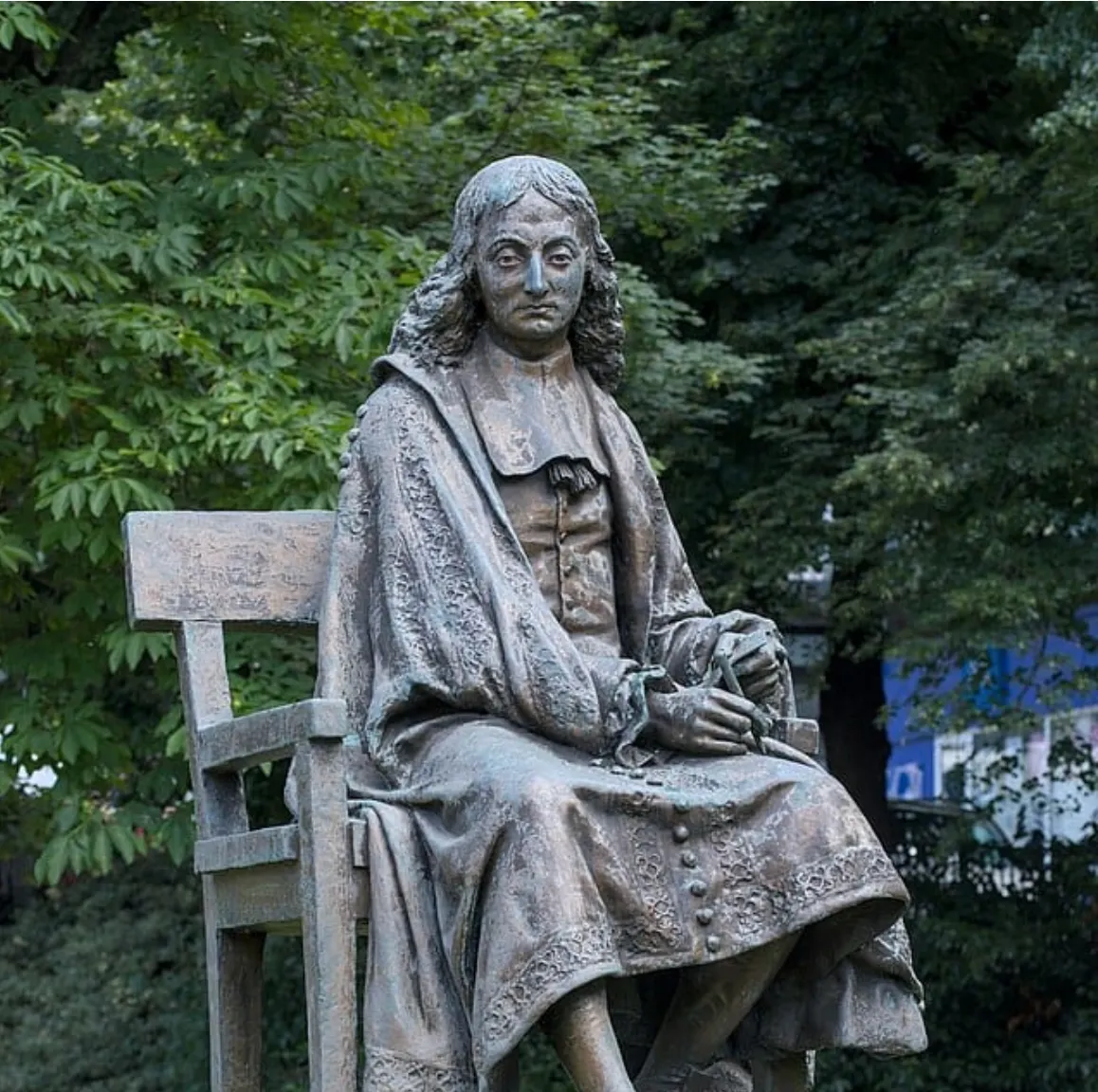
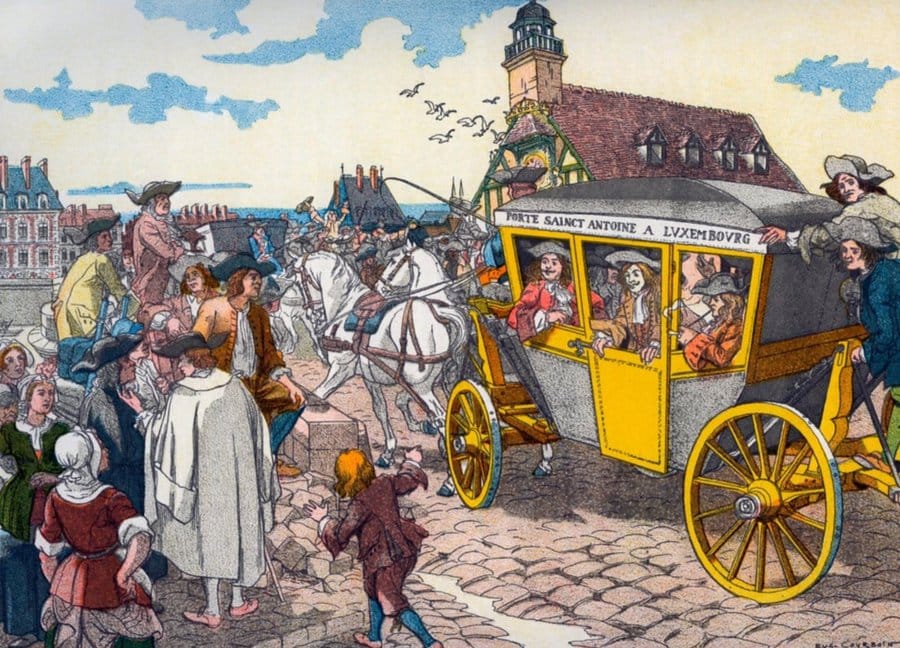
I believe the real future of transportation was launched in pre-Enlightenment France, by Blaise Pascal—he of the famous wager, the one that posited belief in God was a safer bet than non-belief—in the year 1662. After inventing the mechanical calculator, the philosopher turned his mind to the problem of traffic in Paris, which, with a population of half a million, was then the second most populous city in the world, and the most densely settled.
Keep reading with a paid membership
HIGH SPEED is entirely reader-supported, with no ads and no AI slop. A paid membership unlocks this dispatch, every new one, and the full archive, and pays for the train tickets that make the reporting possible.
Rail Pass Holder
Full access to all dispatches, and the archive
$7 / month or $70 / year
- Every weekly dispatch, in full
- The complete archive
- Comment and join the conversation
- Behind-the-scenes on my latest book about riding Canadian trains
Founding Member
Help build HIGH SPEED from the ground up, and ride first class while you do it.
$10 / month or $100 / year
- Every weekly dispatch, in full
- Comment and join the conversation
- Complete access to archives
- Your name, and thanks, in the acknowledgments of my next book!
Already a member? Sign in