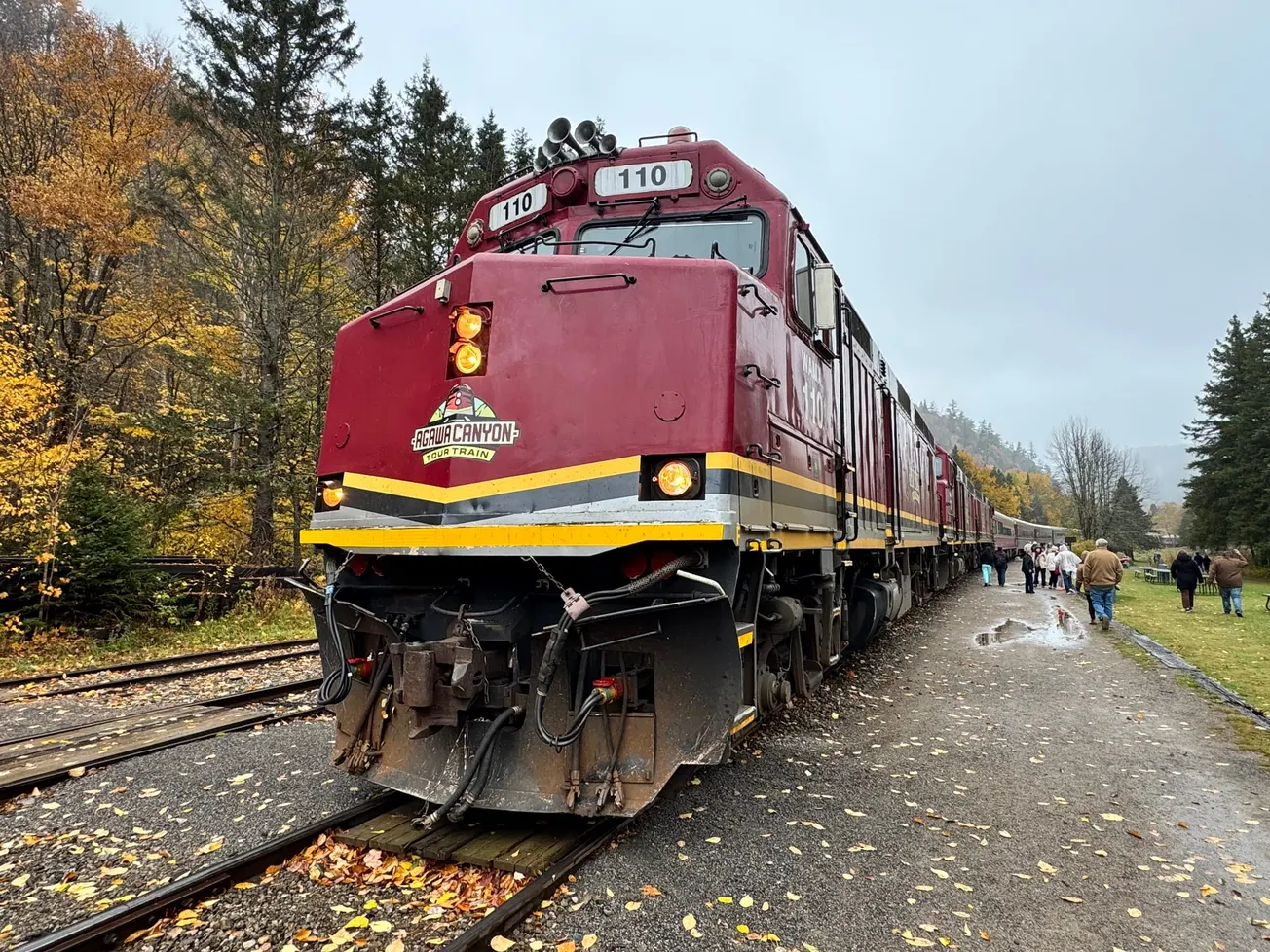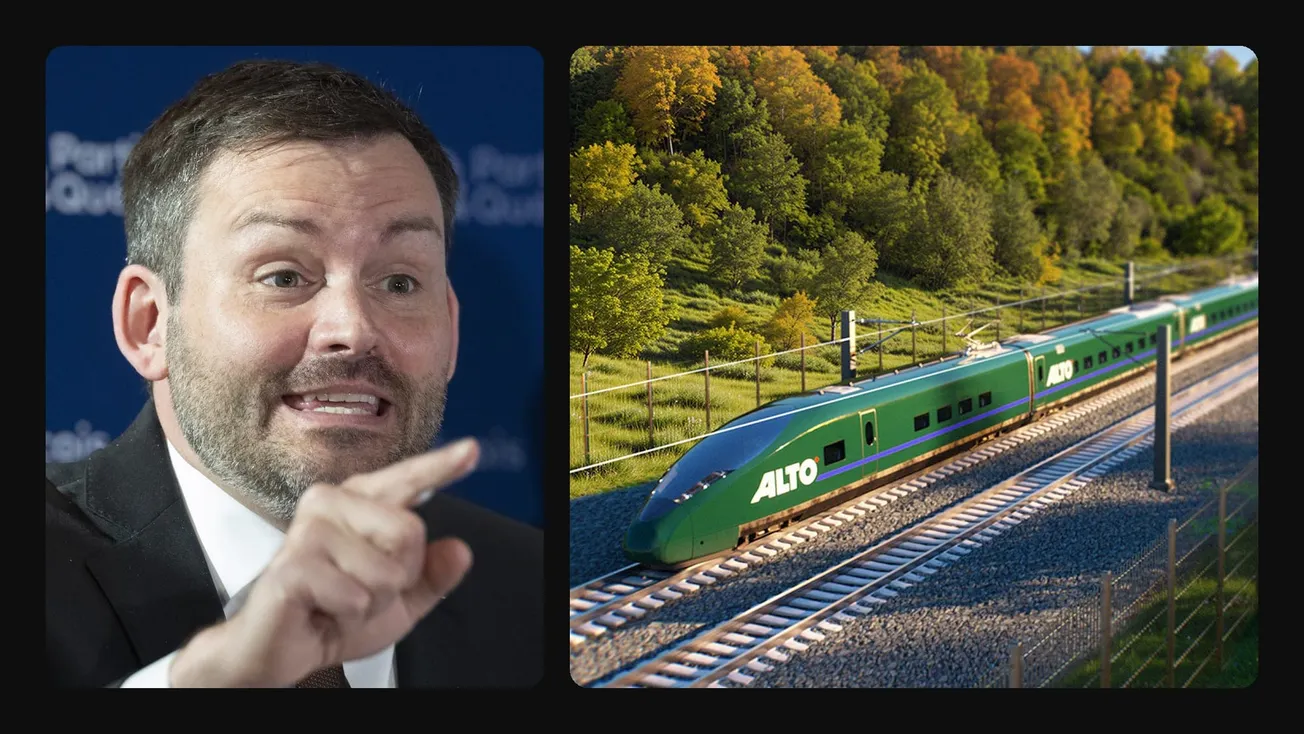
A big thank you to the 38 readers who’ve become Founding Members or Railpass Holders! Three weeks ago, I asked for your help to reach my goal to ride every passenger train in Canada for my book on the past, present, and future of passenger rail (to be published by House of Anansi). My advance only goes so far, so I’m counting on readers to fund my push to the end of steel.
My goal is 100 new paid members by the end of November: 62 to go! If you sign up, you’ll get the full version of every dispatch in your inbox each week, plus the archives. (And every Founding Member will be thanked for making the project possible in the book’s acknowledgements.) Sign up here.
The next mission is the North Wind, an Indigenous-managed railway that connects the north shore of the St. Lawrence River to Labrador. Just four new sign-ups will cover the fare there and back!
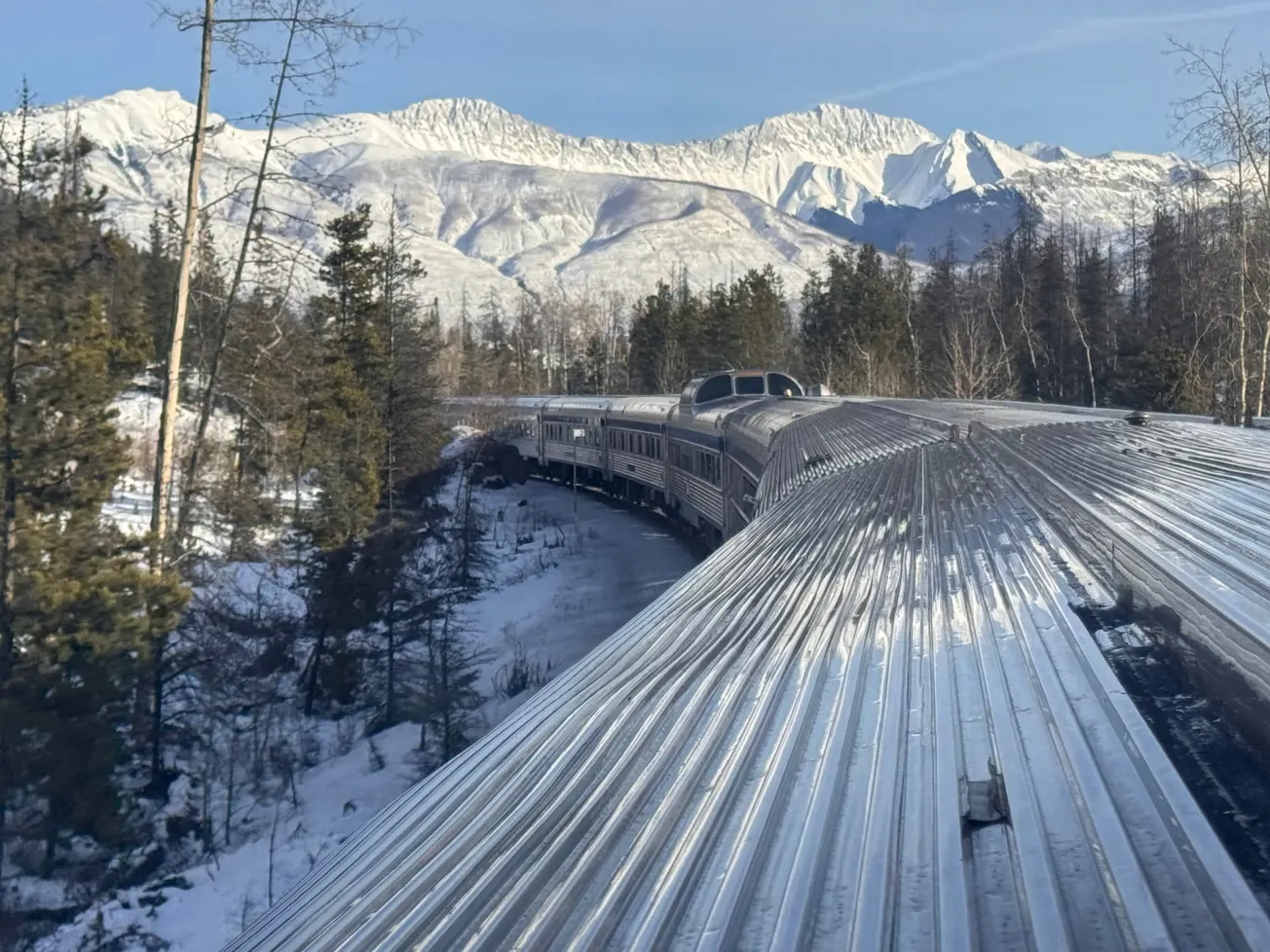
// We were somewhere east of Winnipeg when I realized I’d lost all track of time. I’d been swaying through the corridors back to my room, through what VIA Rail staff call the Activity Car, when Carol, a veterinarian from South Dakota, asked me if I’d like to join her and Trinity, from Wisconsin, for a card game. They introduced me to the rules of a game called King in the Corner. Every once in a while, I’d look up from the cards to take in the wintry scene outside: a trackside grain elevator scrolling by, a solitary red fox trotting across a farmer’s field mantled in snow.
It wasn’t just that we’d crossed the Continental Divide, and two time zones. Part of the sense of timelessness came from the slow sorcery of long-distance travel over land, aboard The Canadian, a train that still uses the same streamlined passenger cars that rolled across the country on its inaugural run on April 24, 1955. It was also the fact that, without Wi-Fi, and only fleeting cell service between big cities, the hundred or so passengers in our dozen-car train were cut off from the fire hose of news, much of it dispiriting, from the outside world. It was as if, by common consent, everyone aboard had agreed not to spoil the atmosphere by bringing up current events.
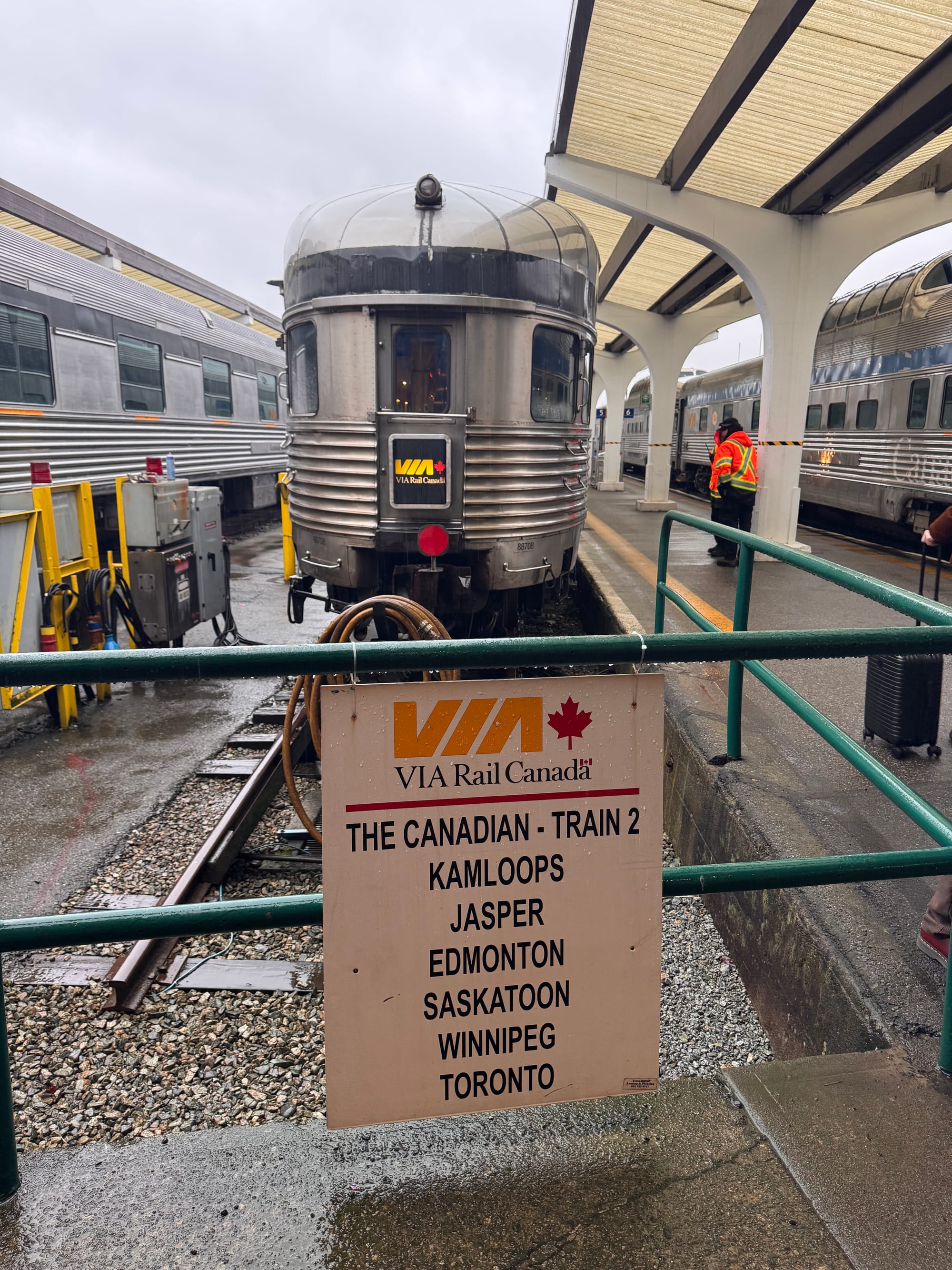
Service attendant Laura Watkins had set the tone as the train swayed out of Vancouver, on the beginning of its 4,404-kilometer journey across Rockies, prairies, and muskeg. “I’m fourth generation railroad,” she’d told the two dozen passengers who’d gathered on the upper deck of the Skyline Car, one of three glassed-in observation cars on the train. “My grandfather, Bill Watkins, used to drive this train. The Canadian runs the last complete sets of streamliners anywhere in the world. They’ve been in continual service for the last seventy years. If I have as many working parts when I’m seventy, I’ll be a very happy woman.” Watkins added that the day VIA Rail, Canada’s national passenger rail service, introduced Wi-Fi on The Canadian would also be the day that she quit.
Because of its storied history, the train attracts rail aficionados from around the world, and one of them, a silver-haired man in a black beret, interjected: “The passenger cars were built in an old World War 2 airplane factory, in Pennsylvania, by the Budd Company. They’re all shot-welded stainless steel, which is why they’re so solid, and haven’t rusted.”
I’d already noticed elegant details of the Silver Age of rail travel scattered through the train: porcelain sinks in the restrooms; ornate, harp-shaped mesh grills over the speakers that piped music into the lounges; and Lucite hand-railings, which light up from within to guide you up twisting staircases to the upper-level domes. (My favourite relic was a safe-like cubby hole in the roomettes, with an opening into the corridor, which allowed passengers to place their shoes for a porter to polish overnight.)
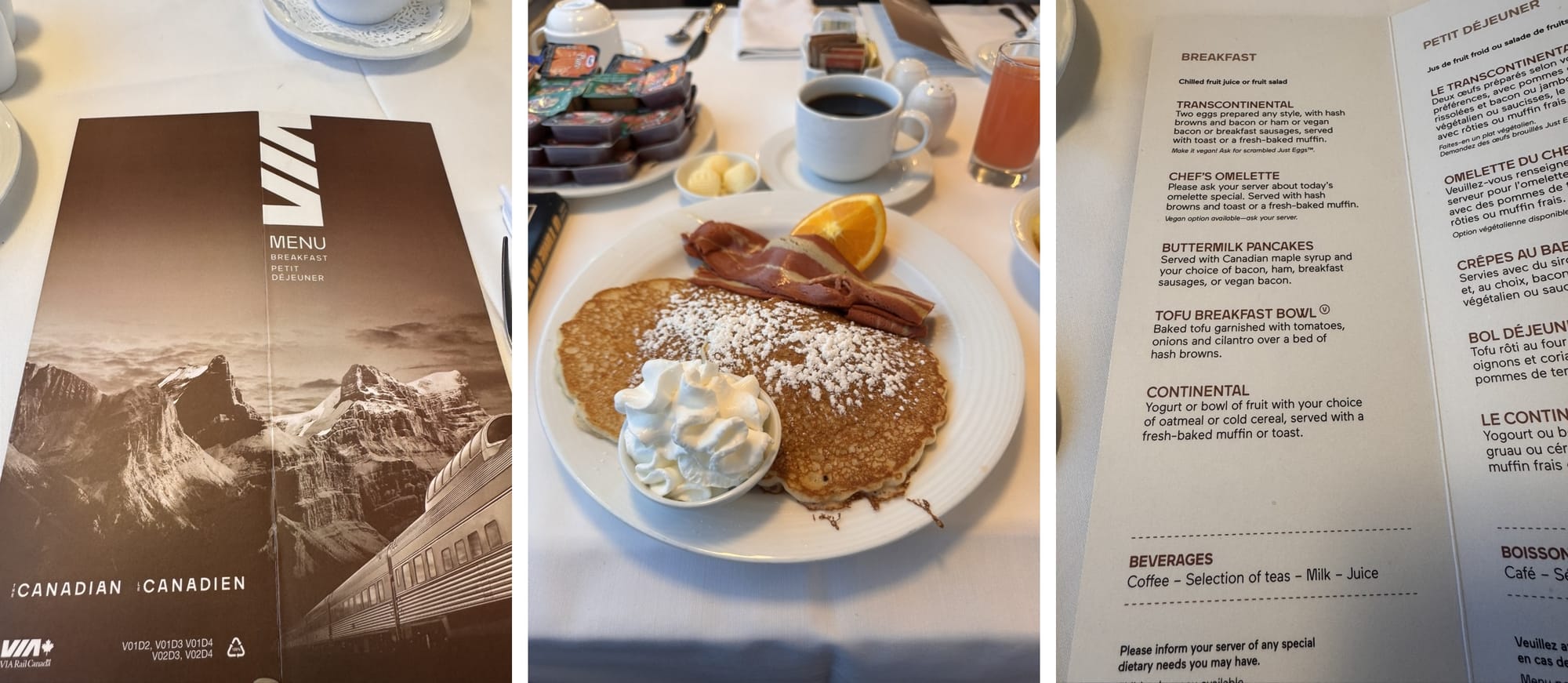
It was in the dining car, though, where I most felt like I’d stepped into a mobile time machine. There were three sittings for lunch and dinner, at linen-covered tables set with china and silverware, between back-lit etched-glass partitions depicting magpies, kingfishers, and other birds of the north. Main courses, which changed every night, included rack of lamb, pan-roasted cod loin, and a leek-crusted chicken, served with sage, devised by Odawa chef Joseph Shawana.
Keep reading with a paid membership
HIGH SPEED is entirely reader-supported, with no ads and no AI slop. A paid membership unlocks this dispatch, every new one, and the full archive, and pays for the train tickets that make the reporting possible.
Rail Pass Holder
Full access to all dispatches, and the archive
$7 / month or $70 / year
- Every weekly dispatch, in full
- The complete archive
- Comment and join the conversation
- Behind-the-scenes on my latest book about riding Canadian trains
Founding Member
Help build HIGH SPEED from the ground up, and ride first class while you do it.
$10 / month or $100 / year
- Every weekly dispatch, in full
- Comment and join the conversation
- Complete access to archives
- Your name, and thanks, in the acknowledgments of my next book!
Already a member? Sign in