Skip to content

The Best Argument for High-Speed Rail

The "Business Case" Is Only Part of It

There are no ads on the HIGH SPEED newsletter, and there never will be. It's entirely supported by readers like you. I publish it on a platform called Ghost, because I don't like the way Substack channels reader money to Nazis, fascists, white supremacists, and the likes of Andrew Tate. Unlike Substack, though, Ghost charges an annual fee. I want to keep HIGH SPEED going, but to pay that fee and continue doing the research, travel, and writing necessary to keep this up week in, week out, I need your support. I hope you'll consider becoming not just a free subscriber, but a paid member. Your subscription will help me keep this train rolling; you can follow the link to the sign-up portal here. And to all those who have already helped out by becoming a Rail Pass Holder or Founding Member, thank you!

// Most readers of this blog don't live in Canada, so, fellow Canucks, forgive me while I offer a one-paragraph briefing of the current state of high-speed rail in the Great White North, eh?

Here's the extreme executive summary: It doesn't exist.

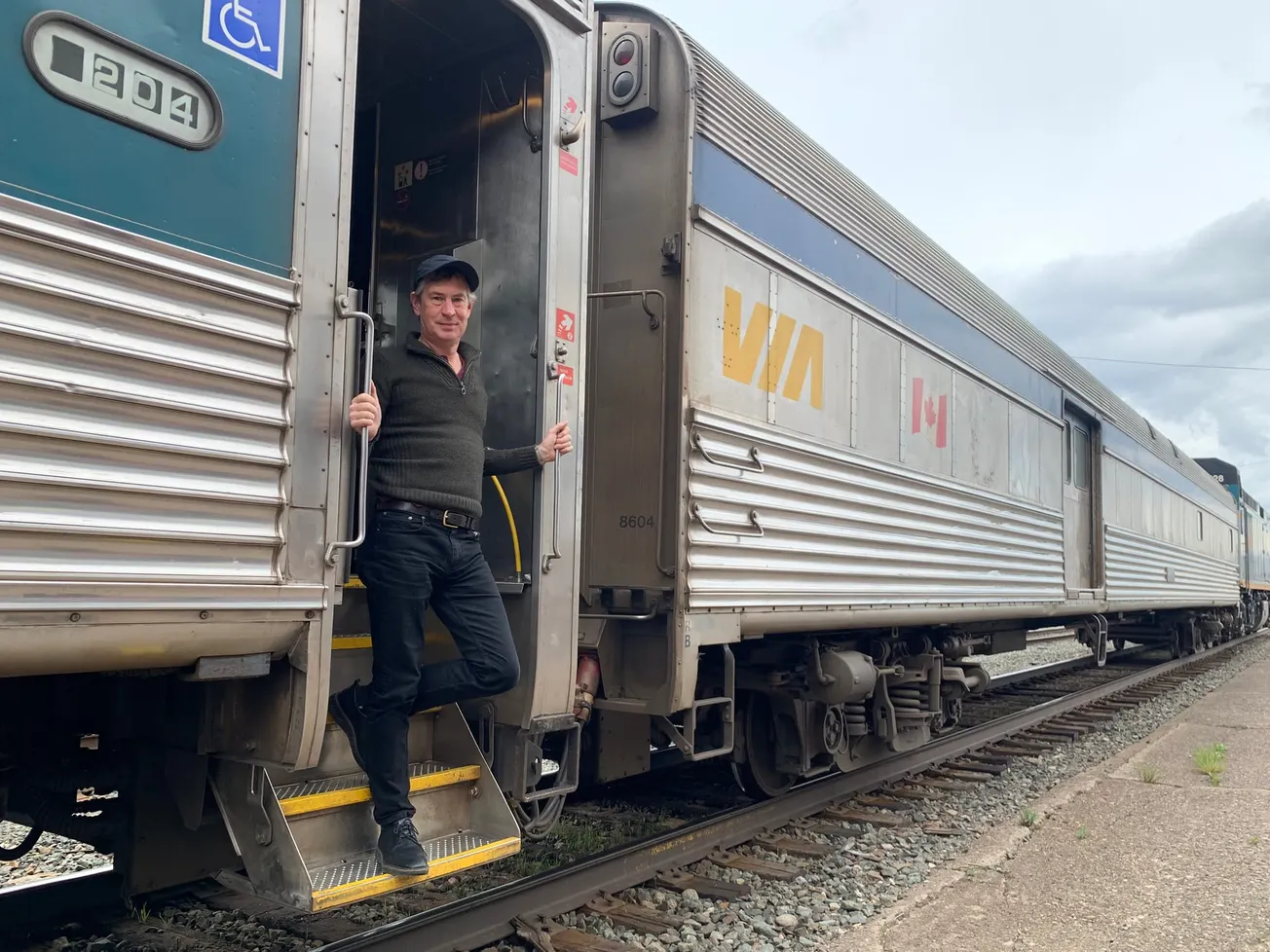
A slightly longer abstract: In 2026, Canada is the one G7 country that doesn't have a single kilometer of high-speed rail. (Even the United States has some, though not much: trains operate at 250 kilometers per hour along a full 80 kilometers of the Acela line in the Northeast Corridor. The Brightline in Florida once touted itself as high-speed, but I took a ride on it last year, and it doesn't qualify, for reasons I explain here.) Canada has been announcing plans for high-speed rail in the Quebec City to Winsdor (Ontario, near Detroit) corridor, home to half the country's population, for the last four decades. The corridor is currently served by VIA Rail, the nationalized passenger arm of former freight-passenger behemoth Canadian National Railways. In 2021, a plan was announced to have VIA Rail operate high-frequency—as opposed to true high-speed—trains in this corridor. Then, in the dying days of Justin Trudeau's prime ministership, the Liberals announced that high-frequency would be replaced by true high-speed. Most polls showed the Conservatives, under Pierre Poilievre, as the favourite to win the election, but, thanks to Donald Trump's tariffs and threats to make Canada the 51st state, and the perception that Conservatives were too friendly to the U.S. of A., another Liberal, Mark Carney, handily won the election early in 2025.

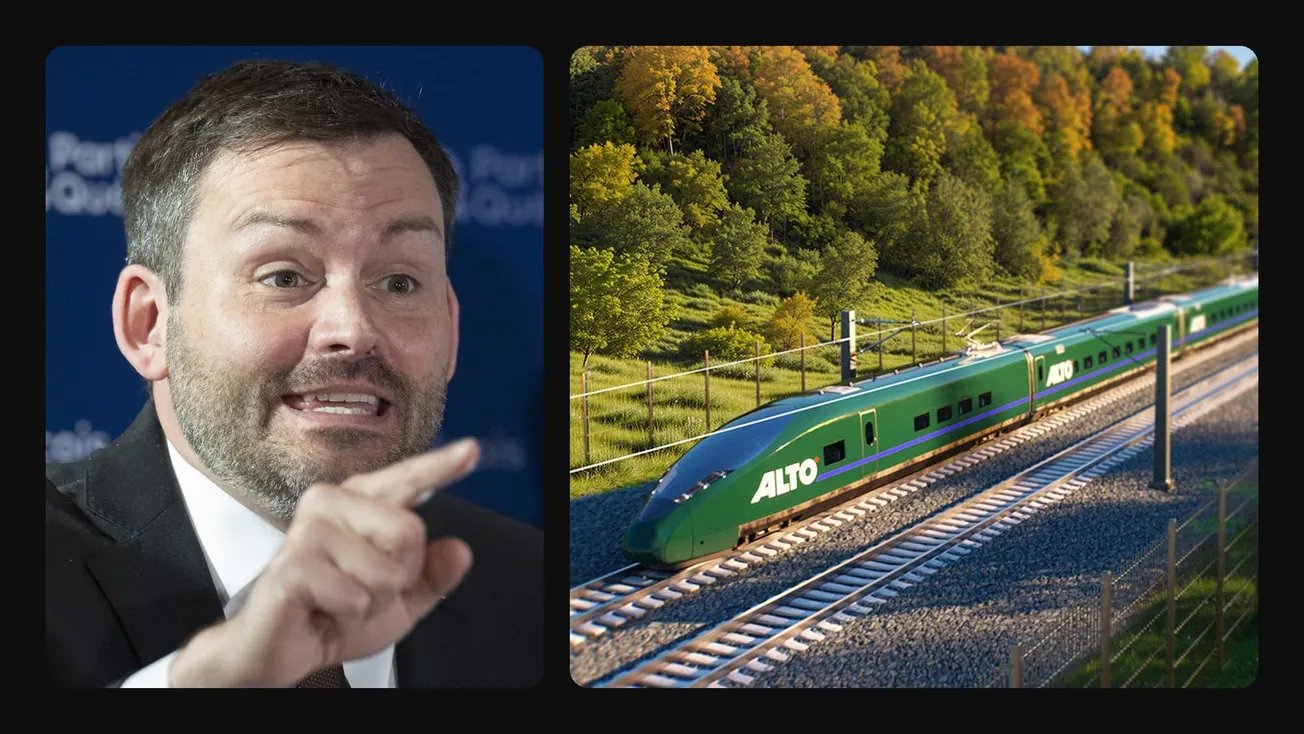
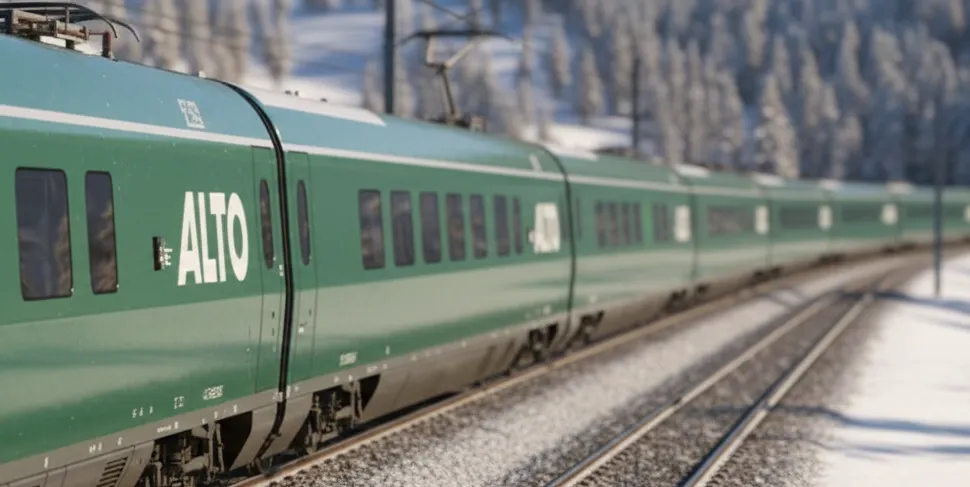
In February 2025, the identity of the construction consortium chosen to build the project (which would run from Quebec City to Toronto—no mention of Windsor) was announced. Cadence, as it is known, is made up of SNCF Voyageurs (the operator of France's passenger rail), CPDQ Infra (an arm of the massive Quebec pension fund, which is building Montreal's new automated elevated light metro, the REM), Air Canada, and AtkinsRéalis (formerly the engineering giant SNC-Lavalin). The rail line itself is known as Alto. As originally announced, Alto would see up to 70 trains capable of 300 km/h, stopping at seven stations (no more, no less), circulating daily in a 1,000-km corridor that would connect Quebec City, Montreal, Ottawa and Toronto. The first section to be built would be the 200-km corridor between Ottawa, the national capital, and Montreal, the country's second most populous city. After extensive public consultations, shovels are meant to go in the ground by 2029, with the first trains running by 2037.

OK, now that everyone is caught up, I'll get into the stuff that even Canadians who have been following this dossier are going to find interesting.

💡
Attacks on the Alto project all seem to start with the declaration: "Now, I've ridden bullet trains in Asia or Europe"—the editorialist doesn't want you to think he's an unworldly hick—"and sure, those ones are great, but Canada clearly isn't Japan, or Spain, or France...or any of the 25 other countries that have somehow gotten around to building high-speed rail."

One year after the Alto project was officially announced, we are deep into the backlash phase of the high-speed rail building process. As I wrote in this blog post, this has happened in every nation where bullet trains now run. It happened in Japan with protesters in Kyoto in the early 1960s; it happened in France with farmers and winemakers protesting against the TGV in the early 1980s; it happened with HS1 and "spare-our-green-and-pleasant-land" rural dwellers Kent; it's happening now—and how—with the frightfully over-budget California High Speed Rail project.

This post is for paying subscribers only

Subscribe

Already have an account? Sign In

Latest