There are no ads on the HIGH SPEED newsletter, and there never will be. It's entirely supported by readers like you. I publish it on Ghost, because I don't like the way Substack platforms Nazis, fascists, and white supremacists. Unlike Substack, though, Ghost charges an annual fee. I want to keep HIGH SPEED going, but to pay that fee and continue doing the research, travel, and writing necessary to keep this up week in, week out, I need your support. I hope you'll consider becoming not just a free subscriber, but a paid member. Your subscription will help me keep this train rolling; you can follow the link to the sign-up portal here. And to all those who have already helped out by becoming a Rail Pass Holder or founding member, thank you!
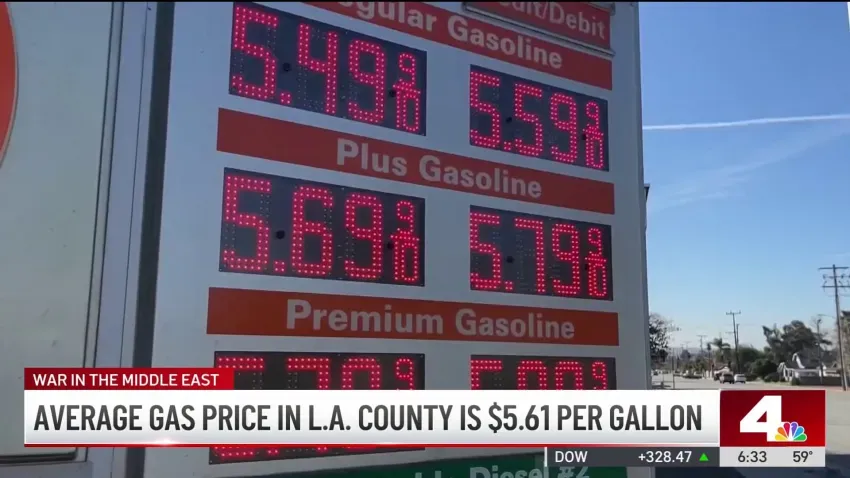
// I just did the math. This week, the price of a barrel of oil went north of $115. In much of the United States, a gallon of gasoline now costs $4. If it goes to $200 a barrel, a gallon will cost $7. At that price, it would cost $336 to fill the tank of a Ford F-350.
This is all because of Donald Trump's and Benjamin Netanyahu's war on Iran, which, entirely predictably, gave Tehran the pretext to shut down the chokepoint of the Strait of Hormuz, through which—as everyone in the world is now learning—one fifth of the world's oil passes.
I'm not going to waste words bloviating about this latest iteration of MAGA death-cult idiocy; there are enough people out there already doing that. What interests me is the impact this latest spike in the price of the stuff that powers the world has on the cities that most of us live in.
The fact is, I've seen this movie before. (And believe me, it sucked the first time around.) When I began the research for the book that would become Straphanger, experts were talking about the impending "peak oil" crisis. My bookshelves filled up with volumes with alarming titles—and even more alarming subtitles—including Kenneth Deffeyes's Hubbert's Peak: The Impending World Oil Shortage, Richard Heinberg's The Party's Over: Oil, War and the Fate of Industrial Societies, and Paul Roberts's The End of Oil: The Decline of the Petroleum Economy. The big idea at the time was that, just as oil production had peaked and declined in the United States, it would very soon peak in the world's other oil-producing nations. Some of the arguments sounded convincing to my ears, and I framed the proposal, and the first draft, of my book around the idea that the fuel we used to power cars—and so many other machines—was going to get a lot scarcer, and more expensive. Rather than dwell on impending doom, though, I wanted to look at positive solutions: making urbanized societies more resilient by building better (preferably electric-powered) transit, more walkable and bikeable neighborhoods, and inter-city train networks, while reducing car dependency.
Over the two years it took to complete the necessary travel—I eventually visited fourteen cities, from Bogotá to Tokyo—it became obvious that peak oil wasn't coming any time soon. The alarm bells of the early 'oughts had rung loud, but prematurely. As a fracking boom swept rural America, and the Alberta tarsands roared back to life, it became clear to me and many other commentators that there was plenty of oil in the ground—and under the seafloor. Some authors had spun rising oil prices as the necessary impetus for societal and behavioral change, among them James Howard Kunstler in The Long Emergency ("Surviving the End of Oil, Climate Change, and Other Converging Catastrophes of the Twenty-First Century") and Christopher Steiner in $20 Per Gallon ("How the Inevitable Rise in the Price of Gasoline Will Change Our Lives for the Better.") Oil might run out one day, or get too expensive to get out of the ground, but before we reached that point we'd have fried the atmosphere, and ourselves, anyway.