There are no ads on the HIGH SPEED newsletter, and there never will be. It's entirely supported by readers like you. I publish it on Ghost, because I don't like the way Substack platforms Nazis, fascists, and white supremacists. Unlike Substack, though, Ghost charges an annual fee. I want to keep HIGH SPEED going, but to pay that fee and continue doing the research, travel, and writing necessary to keep this up week in, week out, I need your support. I hope you'll consider becoming not just a free subscriber, but a paid member. Your subscription will help me keep this train rolling; you can follow the link to the sign-up portal here. And to all those who have already helped out by becoming a Rail Pass Holder or founding member, thank you!
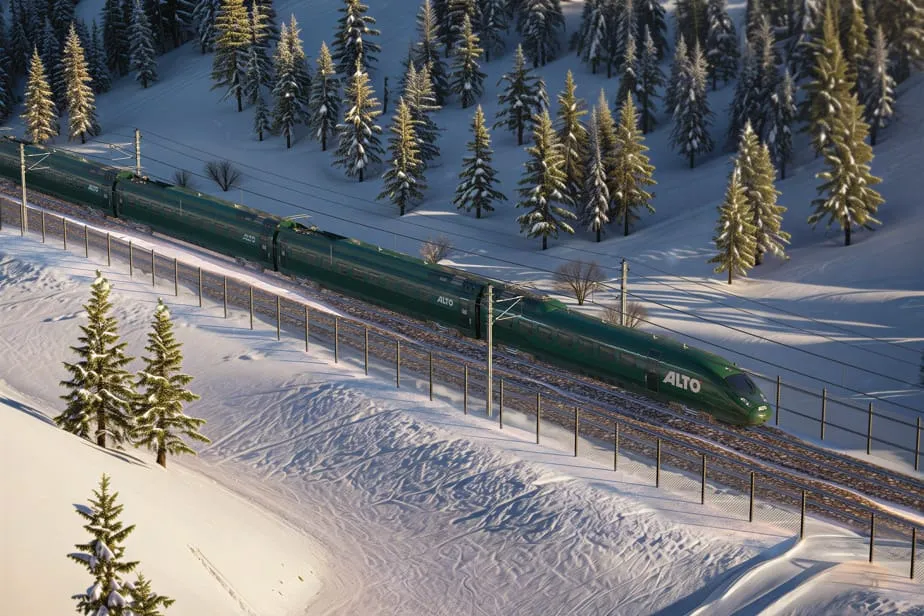
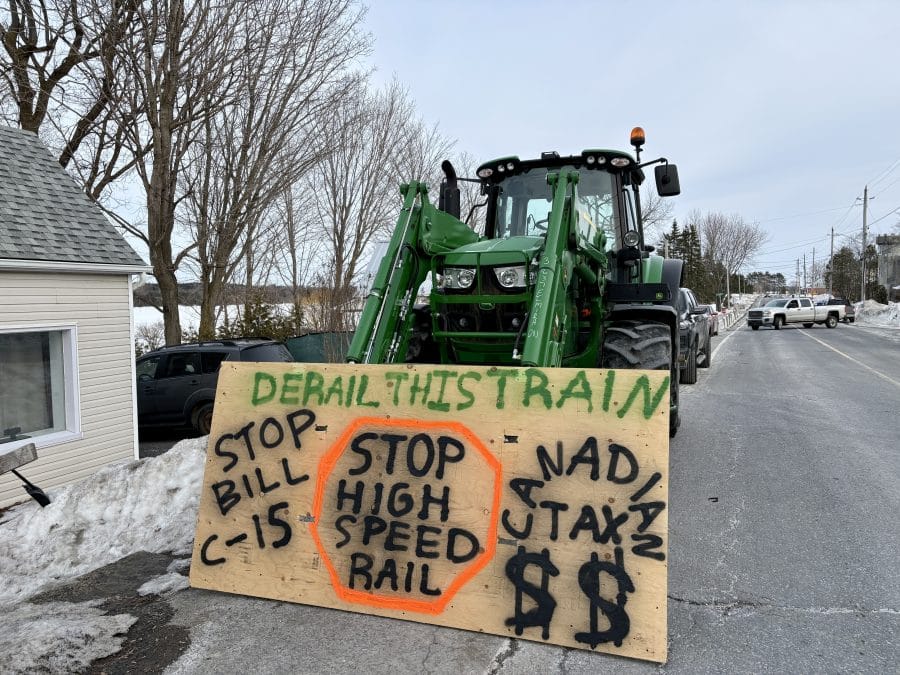
// The news is suddenly full of headlines about opposition to Canada's proposed Alto high-speed rail project, which seeks to link Quebec City and Toronto with electric passenger trains running at 300 km (186 miles) per hour.
"Rural residents seek to derail Canada's high-speed rail project," is how the Kingston Whig-Standard is spinning the story.
"Dozens of Ontario farming communities fear losing businesses and land to Canada's new high-speed train line," is what you'll read in the Toronto Star.
"Not on board," is the Globe and Mail's pithy hed, in a major feature on reaction in Mirabel, Quebec, to the proposed rail corridor.
At first glance, you might get the feeling that rural communities in Ontario and Quebec have risen up in a united rejection of the Alto project. And, you'd be forgiven for coming to the conclusion that—this being conflict-averse Canada—such a storm of resistance would certainly doom this mega-project to failure.
That's not the case, and now is a good time to pause a beat to look behind the headlines.
The reporters have done their work, going into rural communities to interview property owners who fear their lives and livelihoods will be changed by the building of a railway across their land. And what emerges—at first glance—is what seems like a familiar story: plucky beekeepers, canola farmers, and maple syrup producers standing up against the technocratic mega-state. (The landowners are often portrayed standing in a barn, frowning, with their arms folded over their chests.) They complain that a fenced-off rail corridor will change high-school hockey boundaries, prevent them from getting to their favoirite fishing holes on ATVs, and indeed, divide southern Ontario in two with a kind of unwanted "Great Wall."
The resistance channels memories of the righteous 1960s-era struggles—the successful protests against the Spadina and Chinatown freeways in Toronto and Vancouver—against neighborhood erasure in the name of speeding cars. It's David versus Goliath, with with the plucky rural residents nobly resisting the Juggernaut of the state.
Except that's not what's really happening here.