(This week, HIGH SPEED welcomes a guest author, Darío Hidalgo, who was one of the architects of TransMilenio, the largest bus rapid transit (BRT) system in the world when it opened 25 years ago in Bogotá, Colombia. Today, BRT is part of the public transport networks of 191 cities around the world, and 32 million passengers are carried on 6,000 kilometers of BRT lanes every day. I invited Darío, who I met while researching my book Straphanger, to take a look back at the system he helped create. As you'll see, he's refreshingly forthcoming about its early shortcomings. Even as Bogotá begins building its first subway line, Hidalgo remains optimistic about TransMilenio's future.)
by Darío Hidalgo
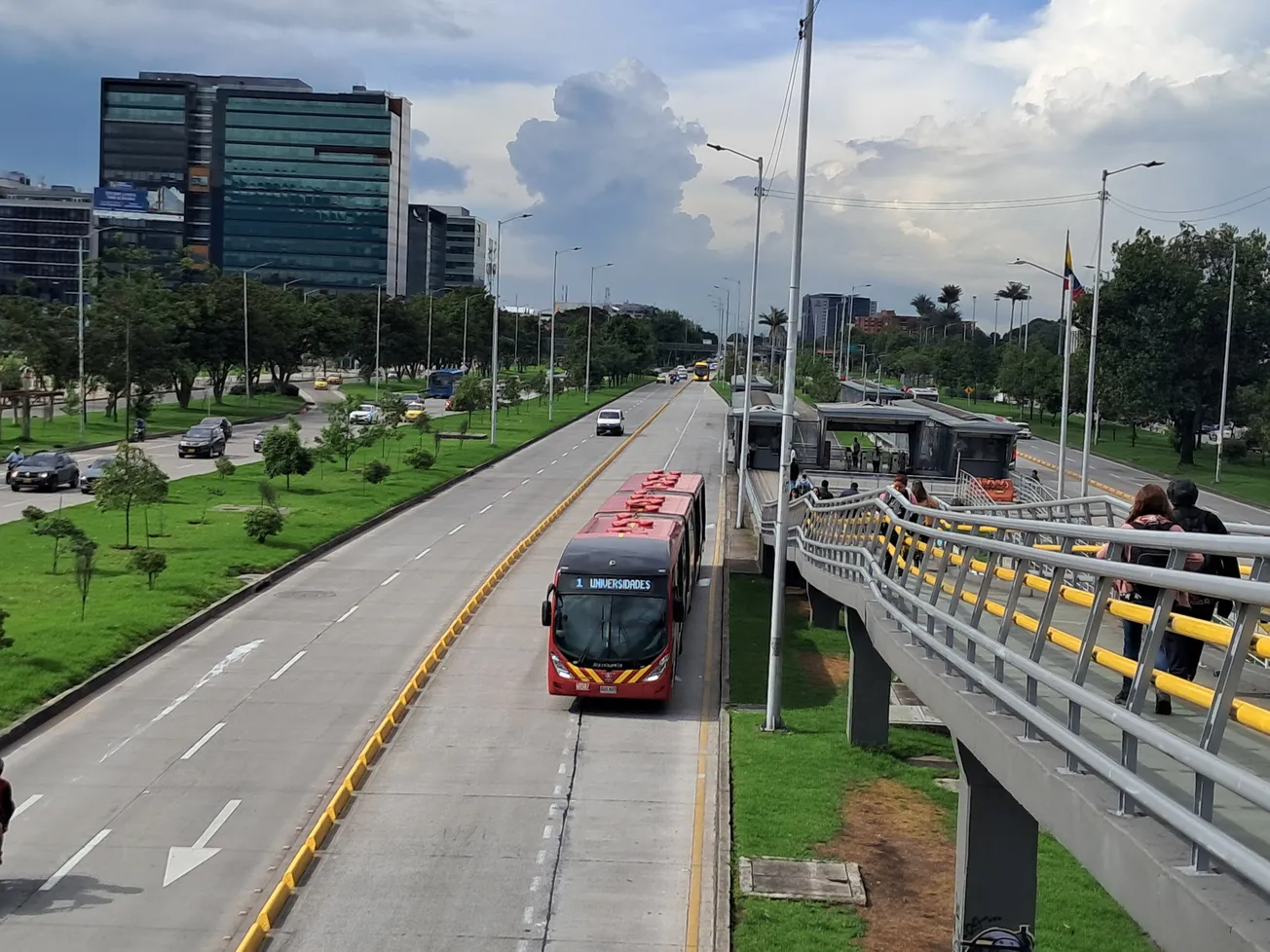
// This month marks the twenty-fifth birthday of a system that transformed the way people travel in cities around the world. I was there to witness its birth. On December 18, 2000, my wife, children, and I walked to Av. Caracas and Calle 72 station in Chapinero, a traditional mixed-use area in the eastern part of Bogotá. Our son was then three years old; our six-month-old daughter was still in a baby stroller. Just two days before, the first 16 kilometers of the TransMilenio bus system had opened, after just three years of construction, under then-mayor Enrique Peñalosa. We entered the station, which was clean and modern, if a little bit narrow, and waited for the shiny red bus. There were maps and signs like those found in subways. The station’s sliding glass gates opened at the same time as the bus doors. The articulated buses, each 18 metres long, had three doors, which all opened at the same time, allowing passengers to exit and enter, like they would on a subway train, reducing the amount of time each bus spent at a station to a few seconds. Inside the bus there was space for strollers and wheelchairs, and designated seats for the elderly, pregnant women, and disabled people.
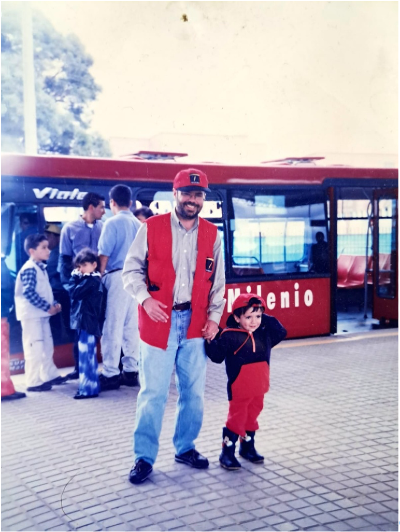
This was a big change for Bogotá, which was consistently ranked in the top ten of the world’s most congested cities. That day, we rode a bus that sped along a dedicated lane, alongside private vehicles backed up in conventional traffic lanes. Our eleven-kilometer ride to Portal Calle 80 took just 26 minutes; normal buses used to take 55 minutes or more. That was the most important benefit of the new bus system: it reduced travel times, especially for middle- and low-income population on the outskirts of the city. TransMilenio made the city “smaller”, more accessible—and nicer.